Emily Bajek, Katie Sun, Sanjna Sadarangani
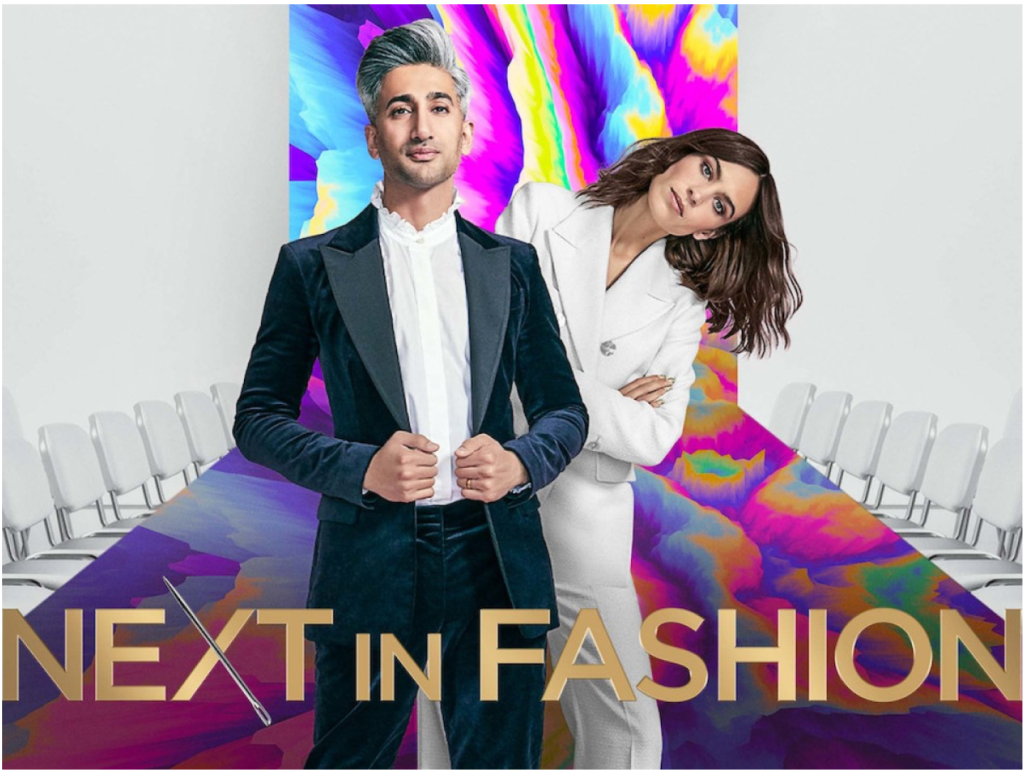
Next In Fashion is a new fashion competition series that aired on Netflix in 2020, hosted by Queer Eye’s Tan France and fashion designer Alexa Chung. In the show, teams of designers in the fashion industry compete for $250,000 and the opportunity to debut a collection with Net-a-Porter. Each week has a different style that the designers must create looks for and one team is eliminated.
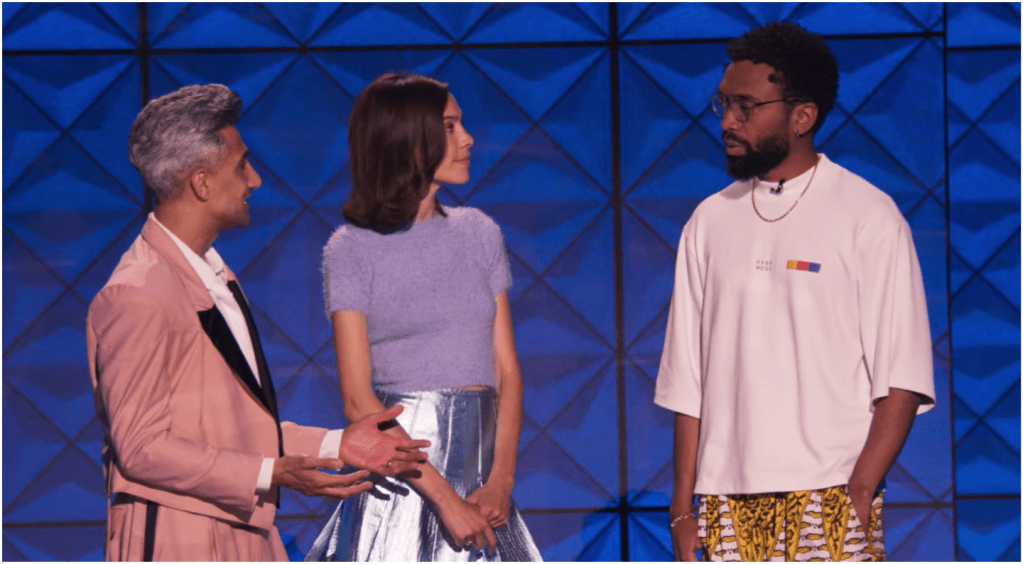
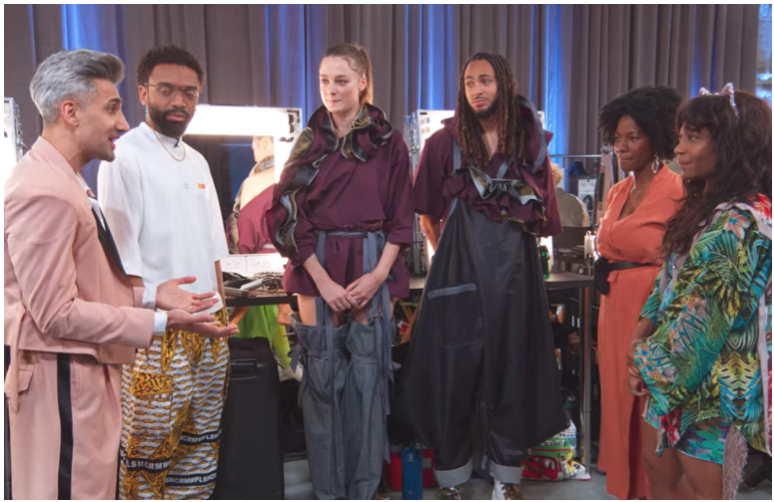
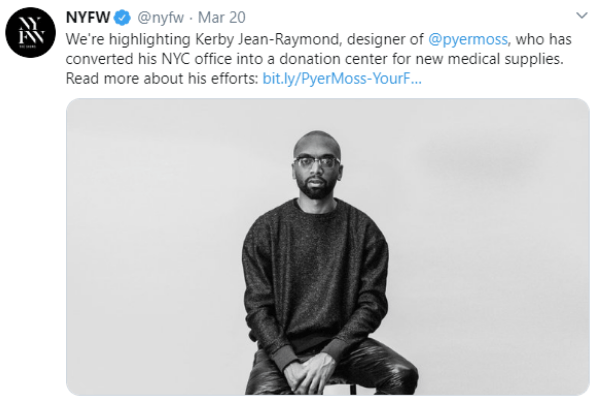
In the fourth episode, the theme was streetwear and they brought in Kerby Jean-Raymond, founder of the menswear label Pyer Moss, as a guest judge. The events and conversations of this particular episode shed light on the experiences of minority designers trying to make it in the fashion industry. One team, composed of two black female designers, Kiki and Farai, was put up for elimination in the bottom two after their design disappointed most of the judges. Farai defended their design and spoke about how difficult it is as a person of color to have her work recognized in the fashion industry, especially when her name is not well-known. “…The thing that I’ve noticed in the fashion industry, it’s mostly one voice that’s heard,” said Farai. “The high-end brands and designers are taking ideas from us every single day. And it only becomes cool when it’s high-end. For a lot of us, minorities, the underprivileged, we want you to see us but it’s so hard to be seen.”
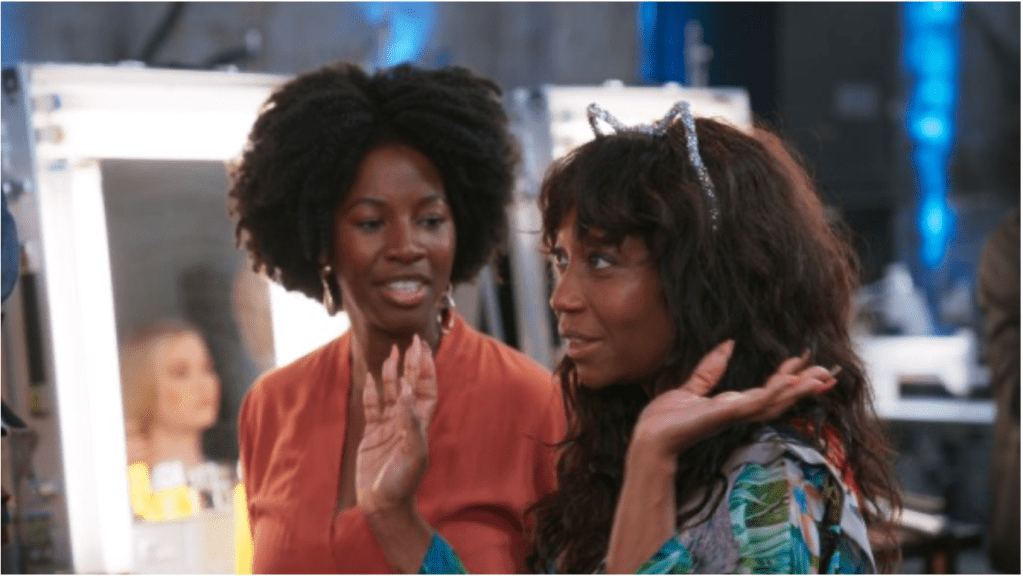
In response, Jean-Raymond also shared, “I started this company because I couldn’t find a job in the industry. When I started making innovative designs and really started to find my voice, I started seeing my stuff show up. Louis Vuitton copies my shit. It’s just the way that the world is working for me right now.”
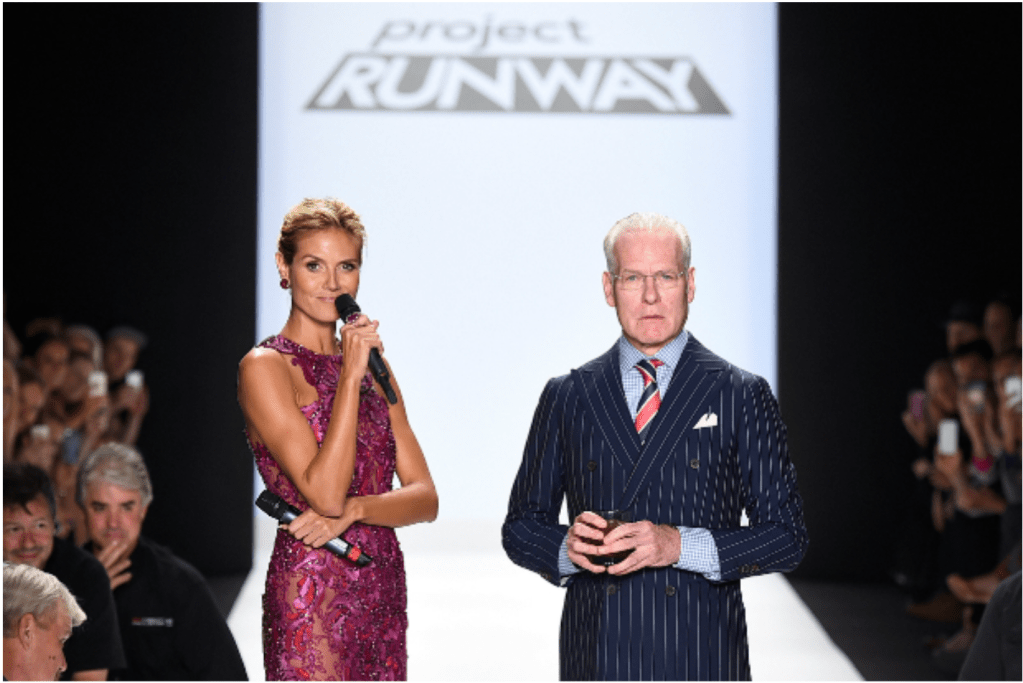
This conversation gives insight into the way that nonwhite designers are often overlooked in the fashion industry or not given the credit that they deserve. We see this in television all the time, in shows like Project Runway. In season 1 of the show, black female designer Kara Saun won four challenges but ultimately lost to Jay McCarroll, a white male designer who did not win any challenges. Additionally, in season 11, guest judge Rachel Roy fought for the value of designers of color to be recognized after the judges wanted black female designer Samantha Black to be eliminated instead of a white male designer who performed worse.
Through television series about fashion, we can see and be more aware of the racial tensions that still exist in the fashion world. Designers of color still struggle to be recognized and are often less favored in comparison to white designers, and it is important that we can hear these conversations on television to recognize the need for change.
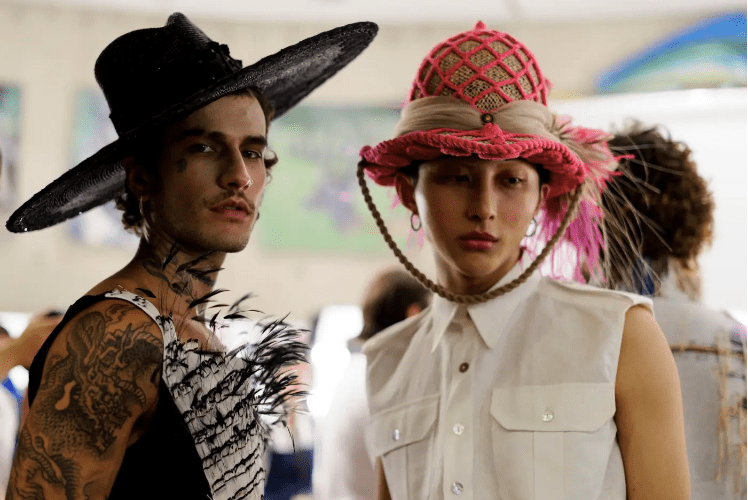
One of the admirable aspects of the fashion industry is its ability to and redefine the stereotypes that are present in American society. Recently, the adaption of a variety of fashion shows have contributed to this content, centering their show’s focus on sexual orientation and gender biases. Shows like Project Runway, Next in Fashion, Queer Eye for the Straight Guy, and What Not to Wear all attempt to combat clothing stereotypes associated with gender, and inspire thier audiences to represent a more nonbinary community.
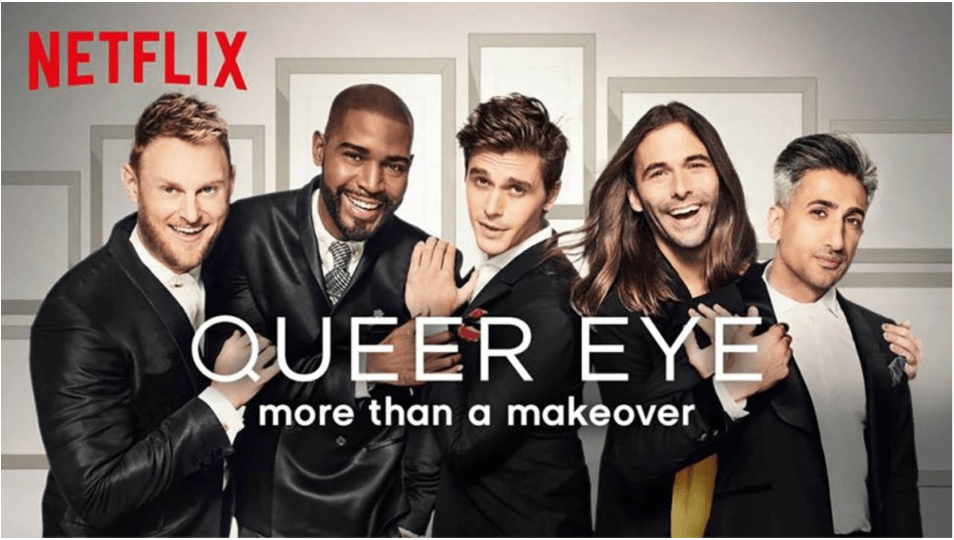
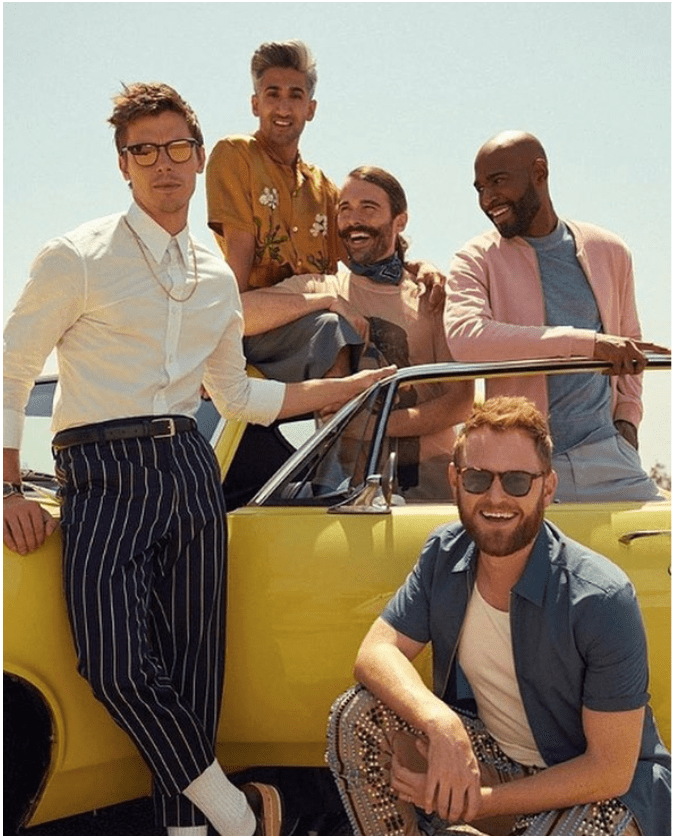
The first Queer Eye for the Straight Guy show was broadcasted in 2003, and had been brought back again with even more popularity. The show consists of five gay men who work to improve a straight man through his sense of style and/or his general appearance. The show does an excellent job in promoting authenticity and acceptance among the men on the show, and work toward promoting clothes of all styles, despite typical gender norms. What makes the show even more heartwarming is the fact that the boys have all struggled with gender bias and judgment in their own lives, which is a main drive for their longing to improve the lives of others and promote positive messages about self-acceptance and love. The show displays “a thoughtful examination of gender and how it impacts us as we move through the world” and “what it means to be masculine or feminine, male or female or neither.”
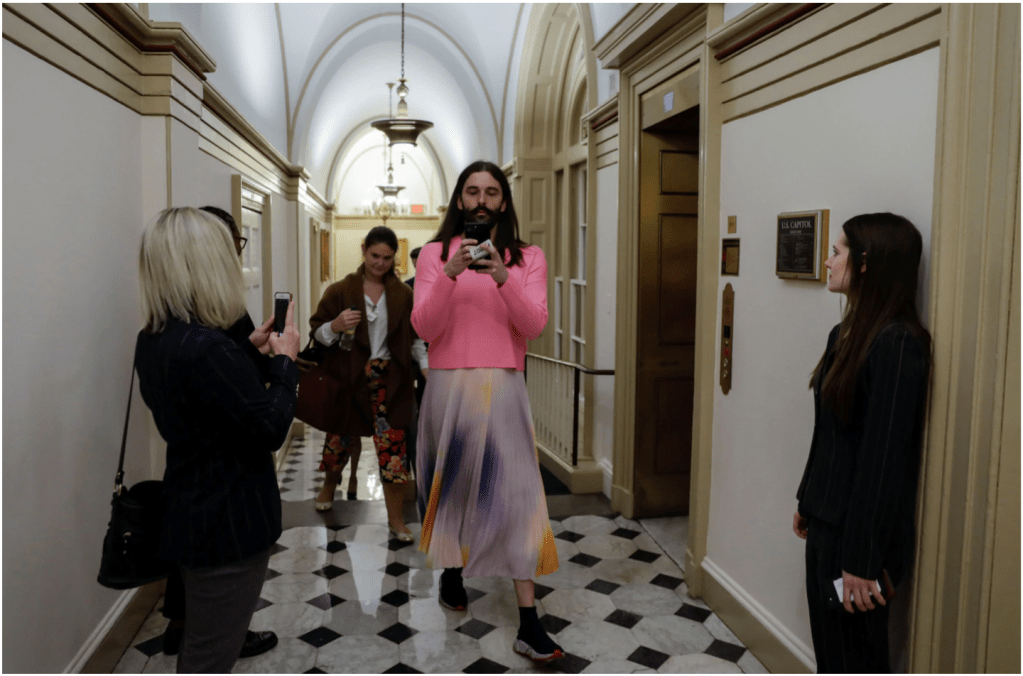
In an interview about gender, Jonathon Van Ness, one of the Queer Eye five, was praised for wearing a floral skirt during his tour around the U.S Capital. This was his response: “Growing up as a teenager in rural Illinois, I would have to wear what I wanted at dawn or in the dark of night — I would be terrified to go out and wear what I wanted to wear in the day. The older I get, the more I feel like I’m nonbinary or gender nonconforming; I’ve definitely never felt comfortable in traditional masculine clothes. The pressure of that really started to wear on me in my 20s, so I’ve really tried to get rid of the shame. For me, it’s really about celebrating clothes that make me feel good. I think I’m feminine. I’m masculine. I’m both.” It is inspiring to see how he represents himself as nonbinary, and tends to associate it with his clothing. What we wear shouldn’t be based on what gender we are, or how we will be perceived by society, but rather out of love and respect. He makes this known in the show.
In addition, shows like Next in Fashion and Project Runway similarly promote a diverse and nonbinary community. In the most recent season of Next in Fashion, a variety of different contestants of all genders were participating, all displaying unique forms of clothing that were no mere representation of a particular gender. All in all, fashion television is coming more and more aware of the longing to change gender stereotypes, to promote all types of clothing, regardless of gender or sexuality.
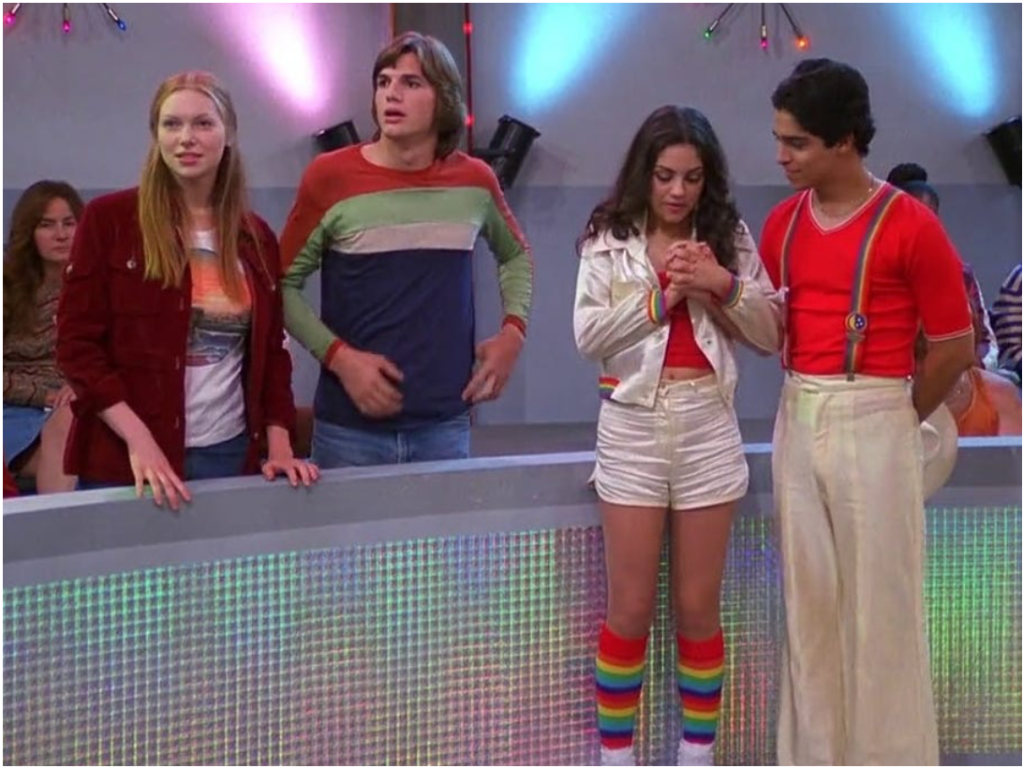
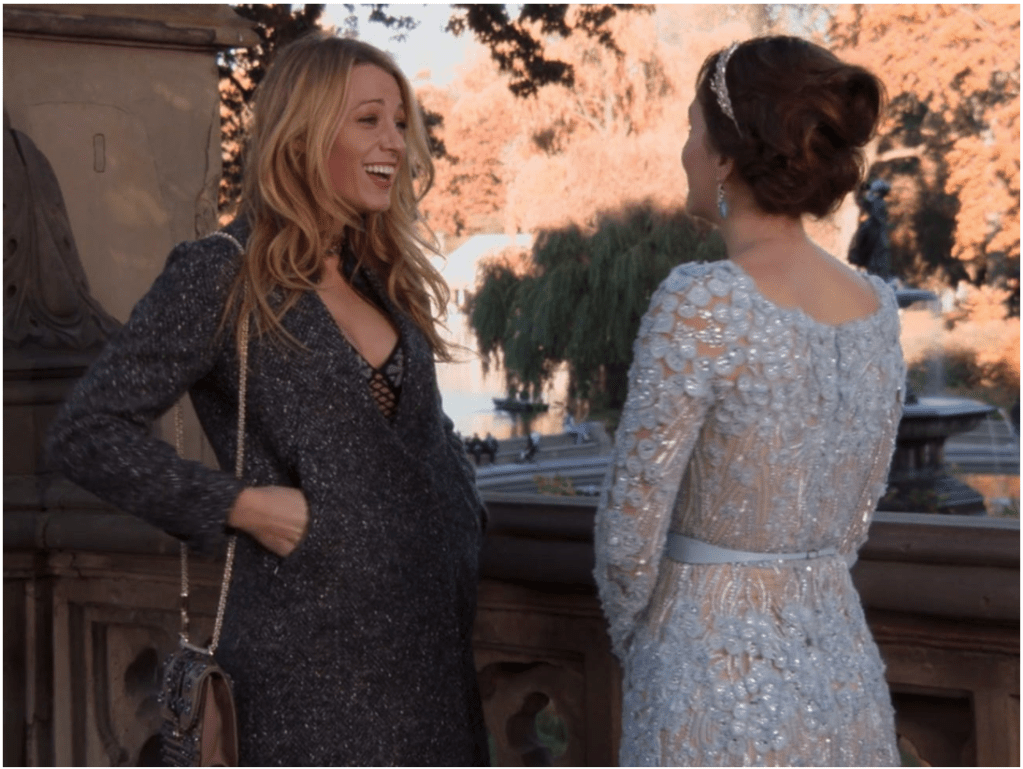
WornOnTV.net is a website that displays outfits that characters on television shows have worn. It also tells the viewer where to buy the item and how much it costs. ShopYourTV.com is another site that does the same thing. Actors on television shows and movies always look their best. Each character has their own style, and their outfits have to be very well put together for each scene. Some shows have been credited with making history with the iconic fashion choices the characters made. One such show is That 70’s Show. Many people turn to this show for their retro fashion inspiration. Another example is Gossip Girl. This show was full of incredible outfits worn by teens who were wealthy and living in New York City on the Upper East Side. The teens had unique styles that inspired many. These television outfit sites also exist on Instagram in the form of personal accounts created by fans.
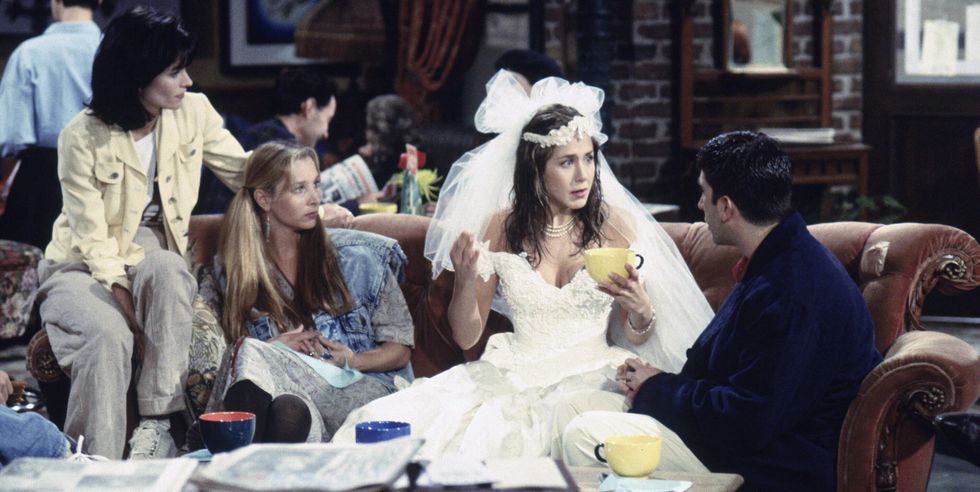
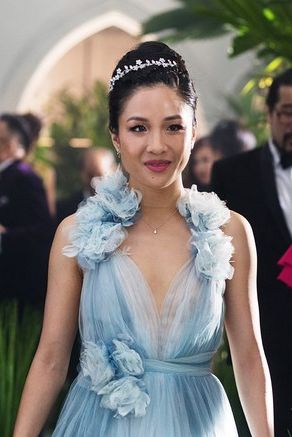
Cosmopolitan wrote an article about the thirty most iconic and unforgettable character styles in television shows. The one that resonated with me the most was Jennifer Aniston’s style as Rachel Green on Friends. They also wrote an article about the forty most famous outfits from iconic movies. The one that I liked the most from this article was Constance Wu’s style as Rachel Chu on Crazy Rich Asians. This shows that fashion in television and movies can really make an impression on those who are fans and can have an impact on their sense of style or their fashion sense.








 Fashion