Emily Bajek, Katie Sun, Sanjna Sadarangani
Beyond the models and designers, there are many more jobs in the fashion industry that should be examined when thinking about racial inclusivity in fashion. While the numbers of nonwhite people in the fashion world still need to be improved, we are far from where we need to be in terms of the way they are treated and included.

In 2019, Naomi Campbell talked at a Wall Street Journal conference about the need for diversity behind the desk. Oftentimes, the reason why we still see racially insensitive garments and advertisements is due to the lack of racial diversity in the staff of many brands. However, even with some people of color behind the desks, racial tensions still exist.
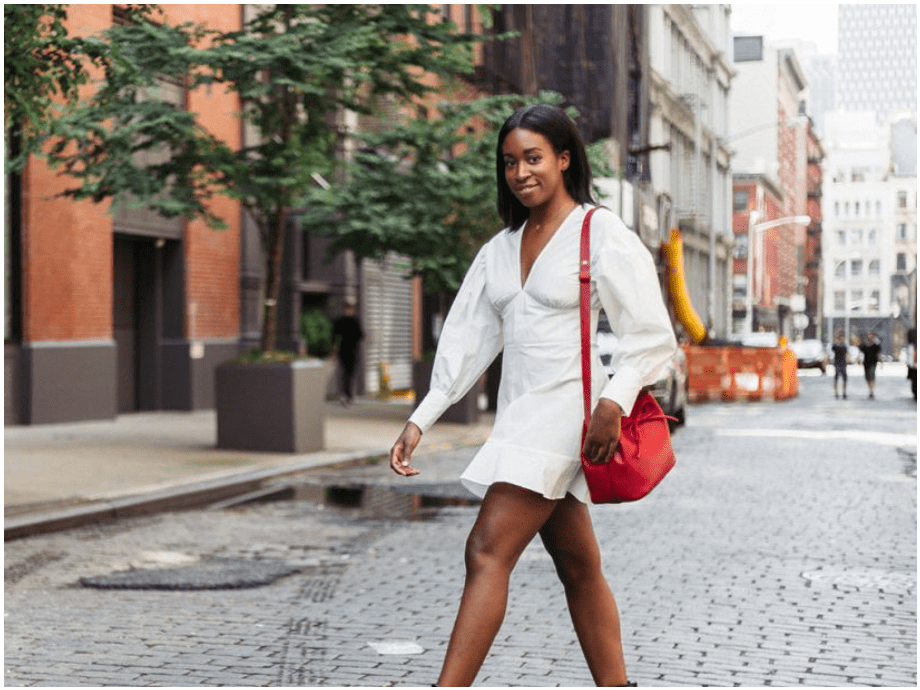
People of color still feel like they need to fit a certain look in order to be accepted. The senior digital fashion editor for Harper’s Bazaar, Chrissy Rutherford, says, “We work in a really superficial industry. Part of the reason why I had an easy time getting a job is because I’m tall and skinny. Maybe that helped ‘balance’ my being a black girl. It’s all about the optics.”
Senior publicist, Camille Easy, discusses the struggles of trying to have a voice, saying, “My biggest frustration is when I’m trying to advocate for someone black and push to work with them because I think it’s a good opportunity, but then there’s a ‘No’ without having a full discussion about why. The hardest part is just not being heard.”
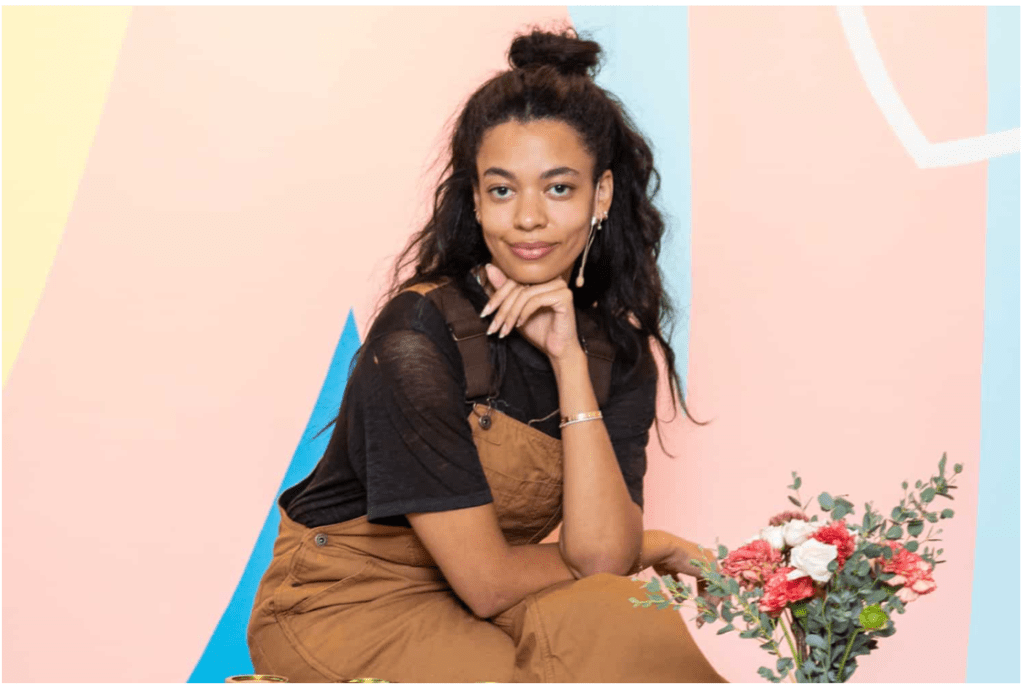
Designer Aurora James says, “Fashion has a bad habit of making very surface-level changes. It’s not just about adding more black models. People don’t think about the factory workers who are, honestly, almost always people of color. How meaningful would it be to make something beautiful that is also empowering?” When shifting the focus on executive diversity, we often think that we are making a lot of progress when people of color are hired for top positions. But we must also not forget about the people of color who are exploited in low-level fashion jobs.
After many years of diving deep into the fashion industry, the same question still arises: Why is a predominantly female industry still run mostly by men? The industry itself has done an incredible job addressing issues of race and diversity in recent years, yet gender is something simply not talked about enough. The gender gap still prevalent between male and female workers is significant, and the industry must become aware of this dichotomy in the workforce.

In a recent report about jobs in fashion, “One hundred percent of the women interviewed in the report said there was an inequality problem in fashion; less than half the men did.” This problem is not only stemmed in America, but overseas as well. British companies revealed data claiming women to be paid less than men, and the French brand Dior designated its first female designer in only 2016. It is also claimed that, “while 71 percent of survey participants reported having a female supervisor before the vice president level (which is considered entry level to management), that number had shrunk to 52 percent by the next stage.” Reasonings for such a discrepancy are reasonable when one considers factors such as “family, sexism, lack of mentorship and confidence, less aggressive pursuit of promotion.”
However, the conclusion that seemed to outweigh the others was the consideration of underlying social issues, such as old-fashioned attitudes toward women in the fashion industry. It was reported that “one manager said he was less likely to give women critical feedback because he was worried they might ‘cry’”. The dean of fashion at Parsons, Burak Çakmak, says this ideology “reflects the way the business has been run for a long time,” and claims we are headed toward a “a more collective approach” due to an increase in globalization.
Although there are many successful female designers and workers in the fashion industry, there is still a lot of work to be done regarding the gender between men and women. Allocating more openings to this female industry is the goal for future success in this workforce.
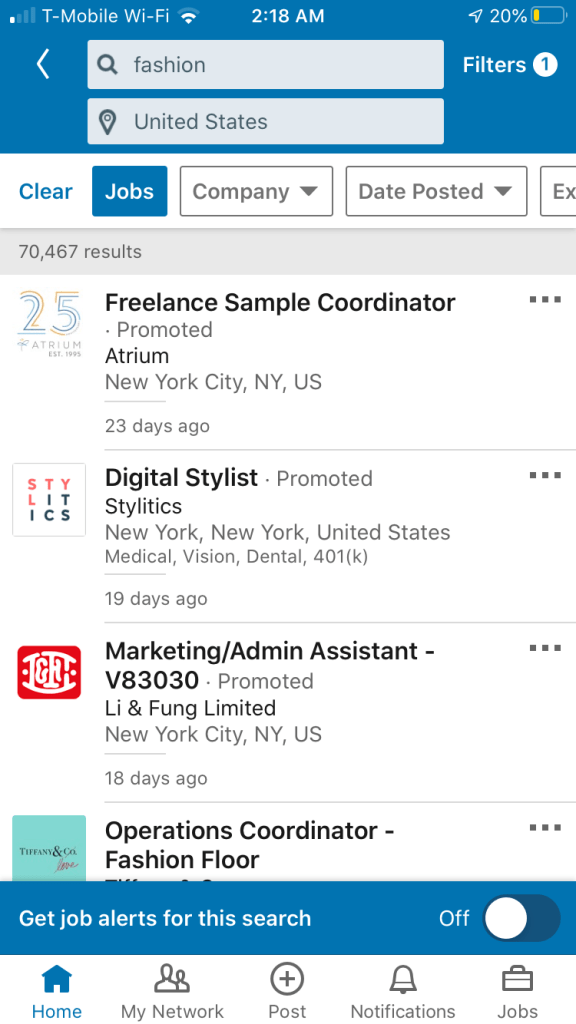
LinkedIn is one of the larger job sites and has become very popular in the last few years. Many college students, including myself, have LinkedIn accounts. This is what we use to find jobs and internships, and fashion students can find jobs in the fashion industry through LinkedIn. LinkedIn allows filters. Students (and others looking for jobs) can filter their search and they can choose where they would like to work, how much they would like to get paid, the experience level of the job, the job type, and many other things that make the search much, much more convenient.
As we have mentioned in previous posts, social media is very important in the fashion industry. One of the ways to be a part of the fashion industry and get paid by fashion companies without getting a job is by having a lot of followers. Some fashion industries reach out to Instagram users who have a large following and send them products. Then these Instagram users are paid to post wearing or using the products and give credit to the companies that sent the products to them. This provides the company with publicity. It also provides the Instagram user with some quick cash. Other companies that are not in the fashion industry also do this with their products. Most often, this type of marketing is most effective when they are able to get a celebrity to endorse them and their product because celebrities have the most followers on Instagram, with Cristiano Ronaldo taking the top spot.
Due to the COVID-19 pandemic, the fashion industry, like many others, has taken a hit. As we are all quarantined at home, people are not shopping at stores, and haven’t been for a while. We also don’t know when we will be able to safely leave our homes, and even once that does happen, it would probably be best to avoid places with large amounts of people, like the mall. The economy as a whole is not doing well during this time, and this means that many people in all industries, not just the fashion industry, are losing their jobs.
 Fashion