Emily Bajek, Katie Sun, Sanjna Sadarangani
While we are slowly seeing more models of color in advertisements, campaigns, and on the runways, numbers are not everything. Representation is extremely important, but there are still a lot of issues pertaining to how models of color are treated that are not seen by the public eye. These are some of the experiences that models of color have had behind the scenes of castings, photoshoots, and runways.
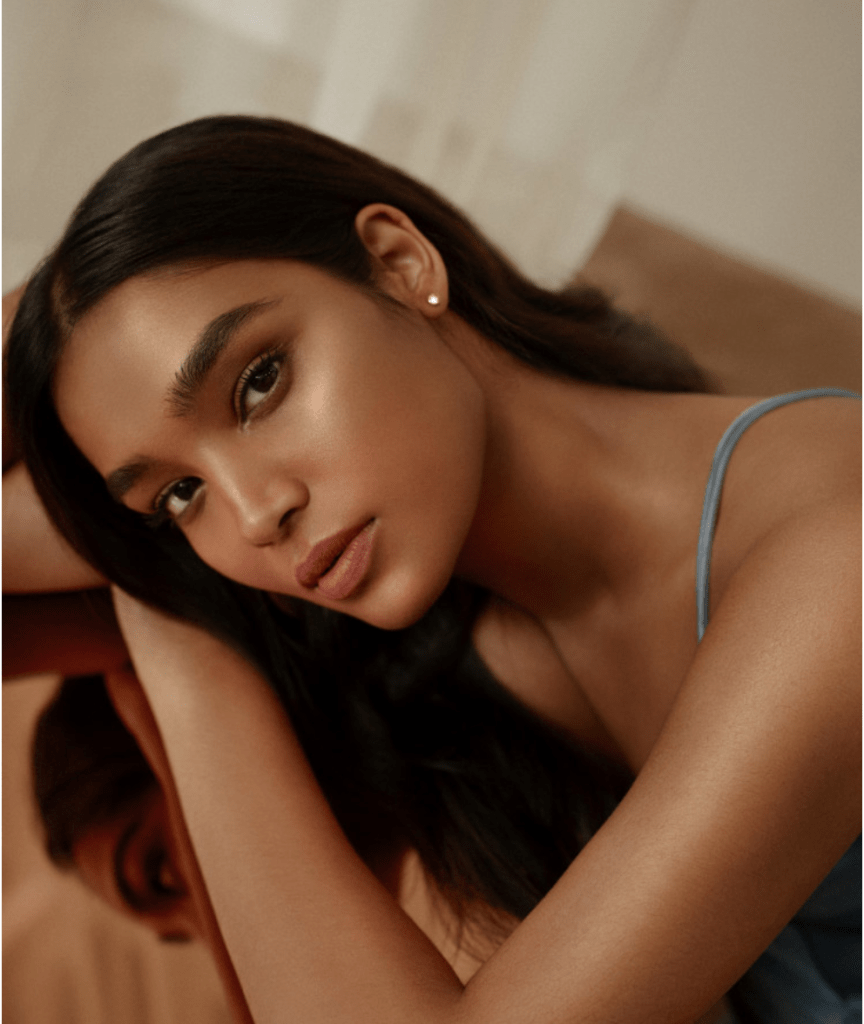
Caribbean model Shivani Persad constantly finds herself as the only nonwhite person on set or in a casting line. Photographers have told her that she is beautiful because she has dark skin and Caucasian features. She further says, “What is that supposed to mean? I’m only attractive because I have Eurocentric features? I’ve had people say to me: ‘You’re lucky because you kind of fit in between this white and black skin color.’ So for a hair campaign or something, for example, they’ll check their diversity quota by booking you. But they won’t have to deal with a black girl’s hair.”
Another persistent issue is the inadequate styling for models of color. Naomi Campbell, one of the six supermodels of her generation in the late 1980s and 1990s, spoke out about how many stylists did not have any experience working with black models. This is a result of not booking black models in the first place, where stylists have no practice when it comes to black models. As model and activist, Bethann Hardison explains, this means that black models could lose job opportunities solely because of the texture of their hair. Stylists who have less or no experience working with black models are less willing to work with them because it would be more “difficult.” In order to compensate for this and not lose opportunities, some black models would get straight hair extensions so they would have a hair texture that stylists could work with. Additionally, they would often have to bring their own styling kits with their hair and makeup products so that they could properly achieve the look they wanted.
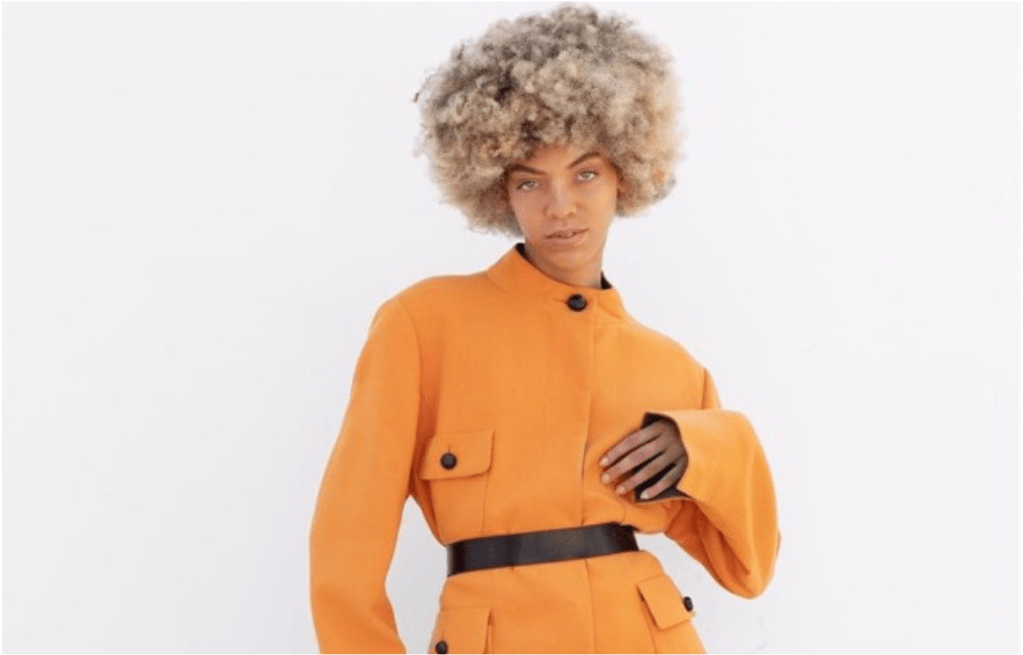
However, this issue is not a thing of the past. Ashley Chew, model and activist who started the #BlackModelsMatter movement in 2014, still has experiences like this in 2019. Backstage at New York Fashion Week, Chew and all of the other models of color were waiting to get their hair and makeup done for the show. They watched as all of the white models got all of their hair and makeup nearly done. Some of the models of color tried to ask when it would be their turn, but were often brushed off. They later came to the realization that the stylists did not know how to work with their natural hair or dark skin, so they were pushing them off until the last minute. Chew recalls that 20 minutes before the show, a hairstylist came up to her and hesitantly tied her hair to form a puff, which was the hairstyle that Chew arrived in. Stories similar to this happen all the time.
It is important for models to speak out about the racism that still exists in the fashion industry, especially what the public cannot see. Although the amount of nonwhite representation is important, true inclusivity in the fashion world also involves the ways in which models of color are viewed and treated.
Despite the elegant performances and photographs displayed by fashion models, the experience behind the scenes is far beyond what it seems. The never ending cycle of misogyny and mistreatment among models continues to escalate, which yet again, contradicts a predominantly female industry. It is important for the public to understand how women are privately shamed, hurt, and abused behind the scenes of fashion shows, photoshoots, and social media to realize the importance of speaking out against men portraying toxic masculinity. Most reports of mistreatment and abuse seemed to be stemmed by authoritative male figures in the industry, which is no surprise considering the toxic cultural normalities of the fashion world. However, although this abuse is generated from a variety of different companies and fashion brands across the world, the company with much attention on the matter is Victoria’s Secret.
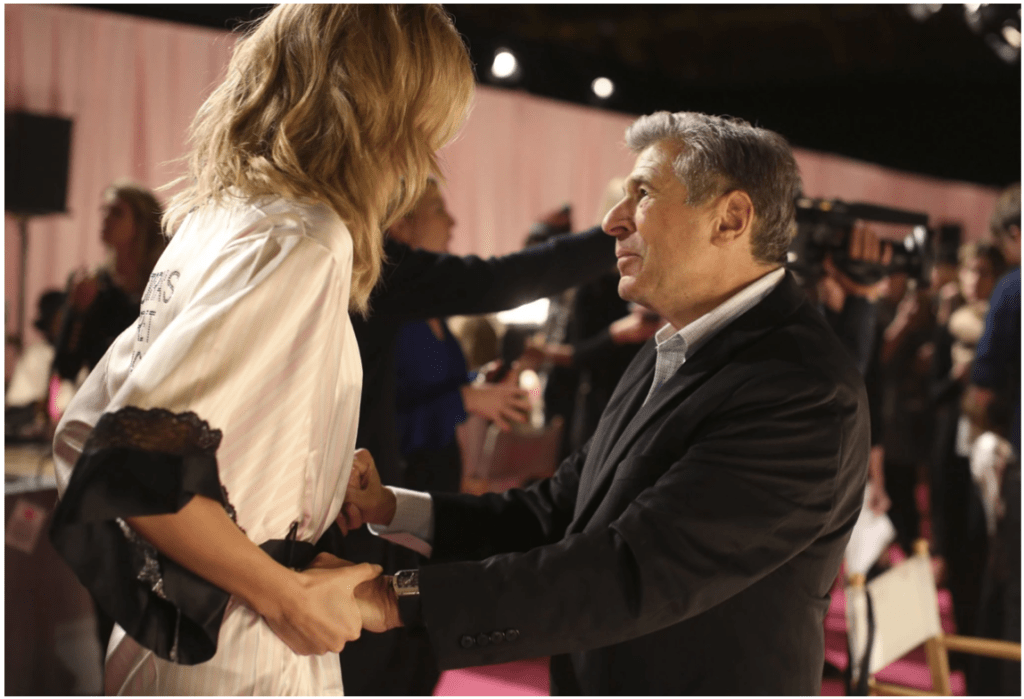
Inside the company for years, two powerful men “presided over an entrenched culture of misogyny, bullying and harassment,” those being Ed Razek and Leslie Wexner. Sources claimed that Ed Razek was notorious for having multiple complaints about inappropriate behavior and sexual abuse, and even “tried to kiss models, asked them to sit on his lap, and touched one’s crotch ahead of the 2018 Victoria’s Secret Fashion Show.” Women who reported the incidents to Leslie Wexner, the billionaire founder and chief executive of L Brands, simply brushed them off and retaliated against them by no longer hiring those who lashed out against Razek. The two men have essentially used their wealth and power to continuously mistreat and sexualize the women involved with the brand, which in itself is just morally wrong. They persisted with their authority, and even threatened women if they didn’t act according to their standards, stating that “their careers were in his hands.”
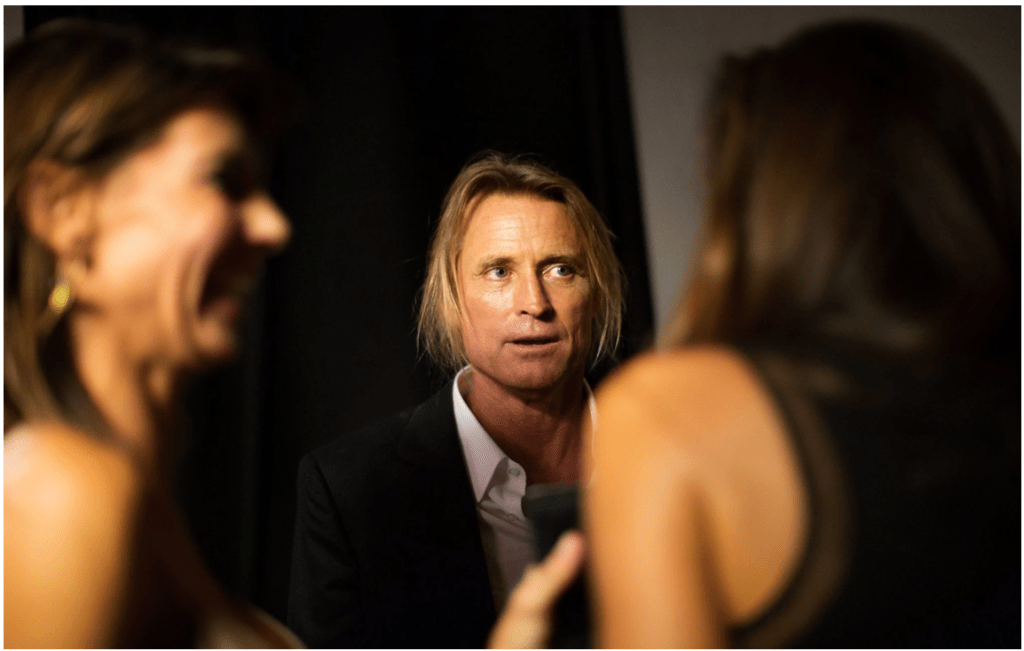
In addition, Victoria’s Secret photographer, Russell James, engaged in subtle provocation himself. After regular shoots with the women, James would ask if the girls wanted to be photographed nude for his books and portrait series. Which, keep in mind, any photos taken after the shoot were not under the Victoria’s Secret contract. Many agreed, because “he had a knack for making women feel comfortable.” Oftentimes, these photos were published in places without the woman’s consent, and was purely using these photos for his own personal net gain.
Overall, behind the scenes of fashion shoots and shows is a very uncomfortable and misogynistic place. Male figures in the industry feel they have complete control over women, and use their power to mistreat women and their bodies. Hopefully, as time progresses, people will continue to use their voice to lash out at those who are using their platform for immoral behaviors.
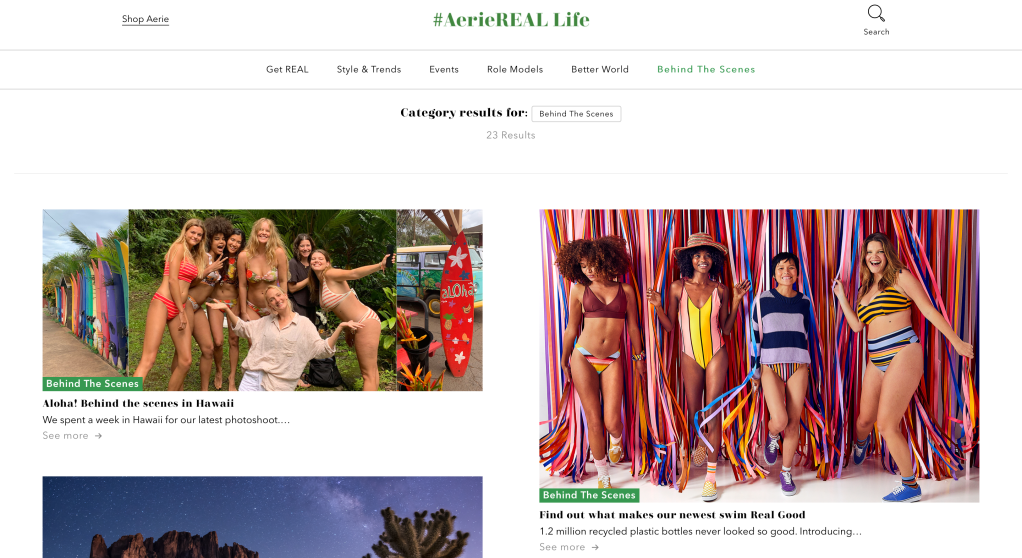
Though there are many things fashion executives like to keep behind closed doors, some companies make their behind the scenes public. For example, Aerie, a company we’ve addressed in a previous post, has a website dedicated to the behind the scenes of their photoshoots. This is part of their #AerieREAL Life page, which highlights role models, lists events, addresses their campaign, talks about their efforts to create a “better world”, and mentions the styles and trends that Aerie is predicting. Aerie has always been a brand that is about diversity and inclusivity, so it is fitting that they would be open about their behind the scenes. Of course, they are not required to disclose everything about their shoots, and neither is any other company, so it is possible that there are some wrongdoings that are occuring that aren’t made public. However, Aerie promotes many positive messages that combat sexism and racism, so this is much less likely.
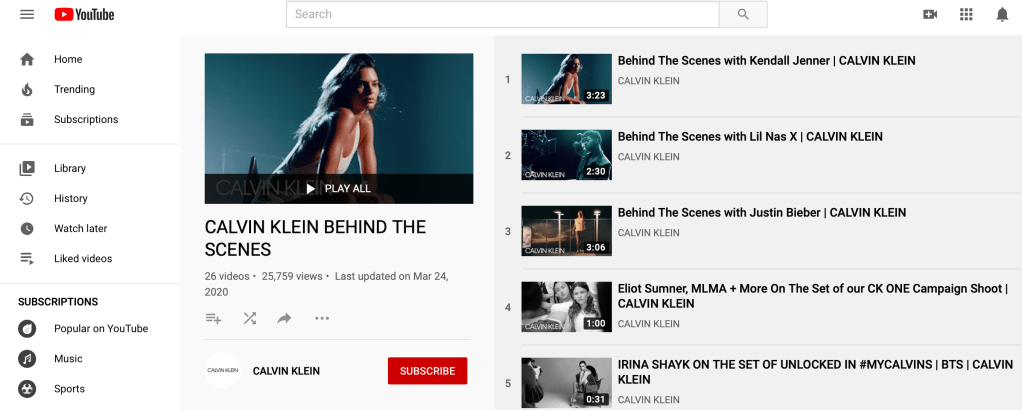
Calvin Klein, another brand we have addressed, also puts some of their behind the scenes on the internet. They’ve chosen another route; instead of a website, they make short YouTube videos primarily focused on specific celebrities that they work with and do campaigns with. For example, they have done behind the scenes videos with Shawn Mendes, Kendall Jenner, Lil Nas X, Justin Bieber, and many more. It is a bit curious that Calvin Klein doesn’t do these videos with regular models. They only publicize the shoots they do with the famous people they pay large amounts of money to.
Victoria’s Secret, one more brand that we have written about, does not post online about their own behind the scenes. As mentioned previously, Victoria’s Secret has been exposed for having problems with sexism and racism during their shoots. It’s clear that there is a pattern and a relationship between how much each company posts on the internet about their shoots and how hostile the environments at these shoots are.
 Fashion