Emily Bajek, Katie Sun, Sanjna Sadarangani
The CFDA, otherwise known as the Council of Fashion Designers of America, is a group of hundreds of accomplished designers from around the country, including Tom Ford, Vera Wang, Tommy Hilfiger, Michael Kors, Ralph Lauren, Calvin Klein and many others. Their goal is to facilitate and cultivate the economic impact of American fashion across the globe. This nonprofit organization hosts the CFDA Fashion Awards every year. They have also established, hand in hand with Vogue, A Common Thread, which is a fashion fund that started as a result of the 9/11 tragedy that occurred almost 19 years ago. In 2020, this fund is raising money as well as awareness of the COVID-19 pandemic.
On their website, the CFDA also has a section titled “Industry Insights”. It features a myriad of articles, interviews, webinars, and toolkits on many related subjects including Investment, Retail, Supply Chain, Sustainability, and Operations. This media library is meant to be helpful and encouraging to anybody who is even remotely interested in the fashion industry. An entrepreneur, a student, a business executive, or even an environmentalist working in the fashion industry can find something on this site to aid them in perfecting their craft.
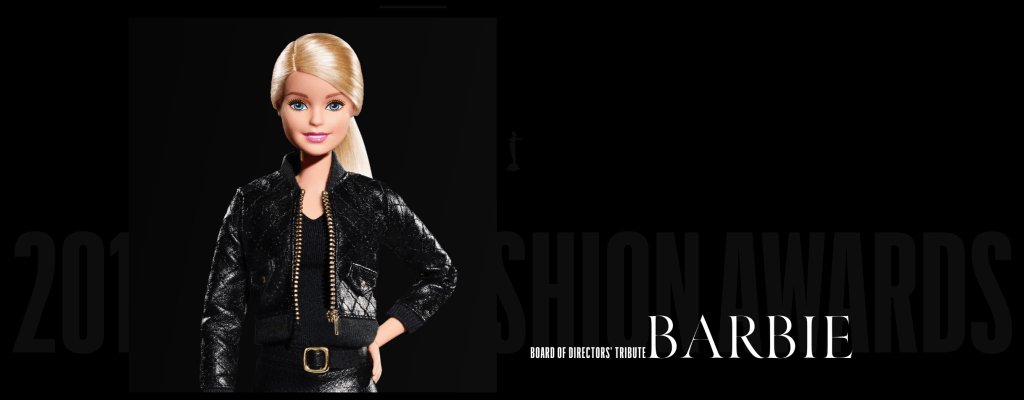
Something I came across when researching the CFDA Fashion Awards that I found to be very interesting was that the Board of Directors’ tribute for the 2019 CFDA Fashion Awards was to Barbie. Many times, we see Barbie painted in a negative light due to the unattainable beauty standards she possessed for so long. The CFDA, on the other hand, decided to applaud her for her accomplishments and the diversity and inclusion the brand has brought to the dolls in recent years. They do address Barbie as a female role model, but focus on her impressive career list. I found this choice to honor Barbie rather intriguing not only because Barbie is not a real person (though as mentioned on the website, her social reach is immense), but also because they didn’t focus on her clothes or her body. Instead, they made sure to cover all bases of her persona, and they really did a great job of validating their choice.
The CFDA has been more aware of their responsibility to be racially inclusive in their Fashion Awards. The world of fashion has become so diverse, and it is extremely important for people of different racial backgrounds to be included and recognized for their work.
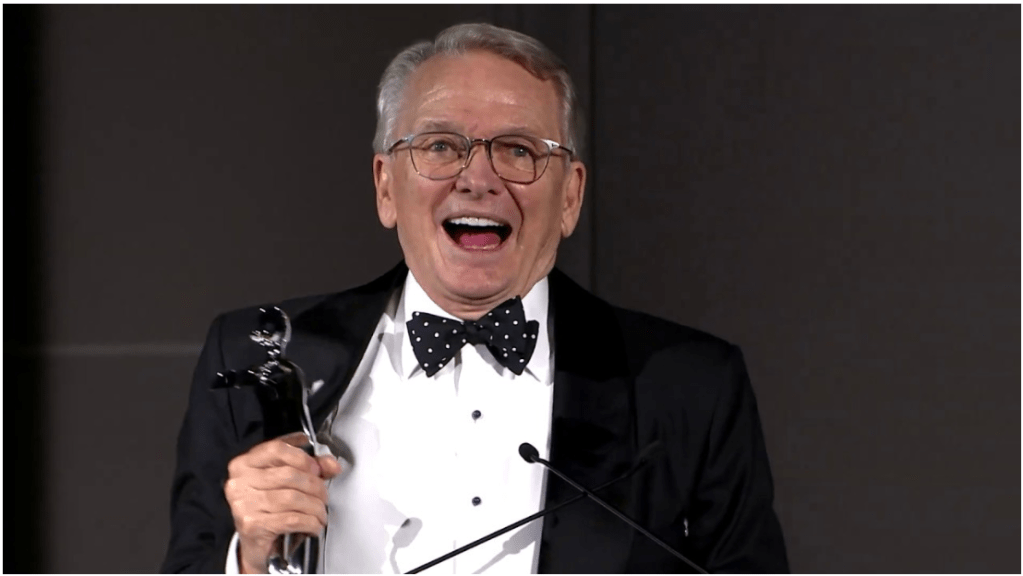
In February of 2018, the CFDA president and chief executive officer, Steven Kolb, sent out an email to voters to remind them to consider the diversity in the fashion world as they make their decisions. Hopefully we can get to a point where people will not have to be reminded to be inclusive in their decisions, but it is refreshing to know that the CFDA is taking the initiative to promote inclusivity. In the email, Kolb wrote, “We truly want the event to celebrate the full creative spectrum and richness of American fashion. Just think of how much fashion is changing, and the diversity of our industry. Designers with broad cultural backgrounds and political ideas are expressing their experiences and beliefs in their collections. Their work deserves greater acknowledgment, acceptance and visibility.”
Kolb acknowledged that a lot of people say that the same people are getting the same awards every year, but he encourages the nominating guild “to really look at the full spectrum of talent and hopefully express themselves for a nomination that is inclusive and represents the fashion industry’s diversity. It was really to put the powers back to the people and to remind them that if they want to see new names they really have to think deep. But also now to really be thoughtful about inclusiveness and really look at the full spectrum of people working in our industry.”
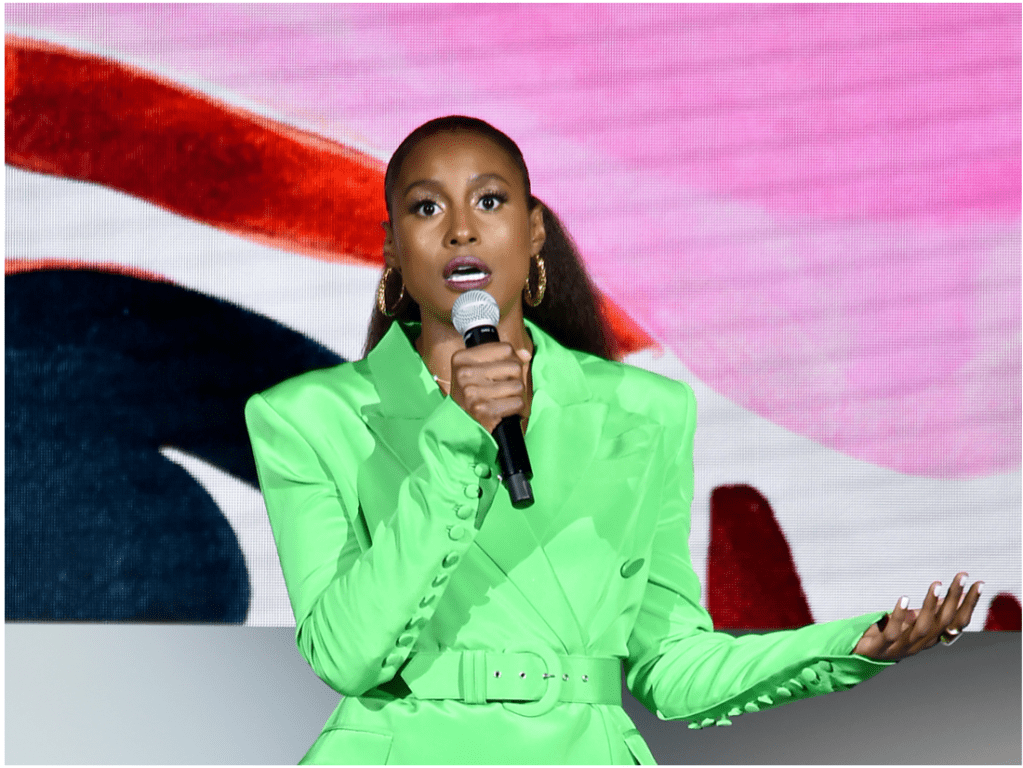
The host of the 2018 CFDA Fashion Awards was actress Issa Rae, making her the first person of color to serve as an M.C. and the first female M.C. since 2009. At the awards, Rae recognized the contributions of black designers and style influencers, while also bringing attention to the industry’s ignorance towards their contributions and cultural appropriation. The internet applauded her for starting important conversations about black designers and style influencers in the fashion industry.
For the fashion industry being so artistically diverse and individualistic, there’s still a long way to go in supporting a more politically and socially diverse system. During the time of the Women’s March in 2017, the CFDA proposed a study to examine gender inequality in the fashion industry. With such high critique over male dominance in a so called feminine industry, the CFDA chose to dive deeper into the controversies behind gender inequality to expose the underlying factors contributing to it.
One main issue that has been recorded of the CFDA Fashion Awards itself is the continuous distribution of awards among the same designers every year. Although awards are purely based on talent, many people seem to base their votes off the physical appearance of clothing, rather than looking deeper into the cultural or political aspect of a look, or the deeper underlying methods used to construct the look. Specifically, in regards to women in fashion, many female artists tend to go unnoticed simply due to a more well-known male artist overpowering the votes and considerations of people. In a study published in 2015 by Allison Stokes, a sociologist at the University of Waterloo, statistics state that “between 1981–2013, 98 men have received an award from the CFDA, compared to only 29 women, [and of] these 98 men, 51 have publicly identified as not heterosexual.” So, overall, more male designers are receiving appraisal for their work and, thus, more CFDA awards than women.
Women designers are often viewed in a secondary light in comparison to men, and it is visible not only in high end fashion awards such as this one, but in magazines, journals, and social media. When being written about their works, women appeal to consumers as “comfortable,” “grounded,” and to have “never grew up,” whereas male designers are described as “soul of the poet,” “the Flaubert of fashion,” and “the mad prince of British fashion.” It is quite disturbing to see such a dichotomy in male and female perspectives in fashion, which was a primary drive for the CFDA to pursue the Glass Runway study.
The faults behind such discrimination against women is conditioned through public misconceptions behind a look. The problem with any type of art is essentially “the lack of objective guidelines around why an object or collection might be considered “great.” Most opinions developed about a designer or particular look are stemmed through uncertainty, with lesser thought on “cultural relevance, historical reference, color treatment,” which overall, leads to gender bias. Hence, autonomy and authenticity comes into question with women in the fashion industry.
On a final note, the actions taken to perform this study were exactly what the industry needed to become aware of the gender inequality still present in the business. The CFDA now encourages all of its voters to carefully consider their votes from an unbiased standpoint, and to consider all designers’ cultural and political backgrounds when voting.
 Fashion