Emily Bajek, Katie Sun, Sanjna Sadarangani
The spark of transgender and non-binary models has created more eye-catching looks to pose on the runway. By overcoming such high discrimination from recent years, transgender models appearing in high-end fashion shows such as New York Fashion Week has now skyrocketed. As shows are now encouraged to incorporate inclusivity and diversity in their runways, the appearance of such figures are becoming more and more prevalent. In Spring 2020, it was reported that of 2,327 show castings considered, 24 went to open transgender models, and 12 to nonbinary models, creating a total of 36 models, compared to just 30 in Fall 2019. Although small, the week’s 1.55 percent inclusion rate topped the previous season by 0.26 percent, supporting the gradual increase in transgender and nonbinary inclusion in events like New York Fashion Week.
In addition to the exclusion of transgender communities in the fashion world, runway ideals toward sexuality have also changed to meet present-day clothing styles and expectations on the runway. Although designers have created clothing that doesn’t necessarily fit one particular category, the majority tend to present their clothing on women. Womenswear has always had a reputation of dominance on the runway, since it was claimed to be more experimental than men’s in recent decades. Thus, many brands tend to lure people toward their clothing by utilizing a womenswear schedule, to prove the clothes can be worn by models with a range of gender identities. This season, in particular, NYFW has shifted toward menswear on the runway, giving a balance toward both male and female models. Overall, NYFW brands are becoming more gender fluid, and are incorporating styles that are compatible for models of all genders.
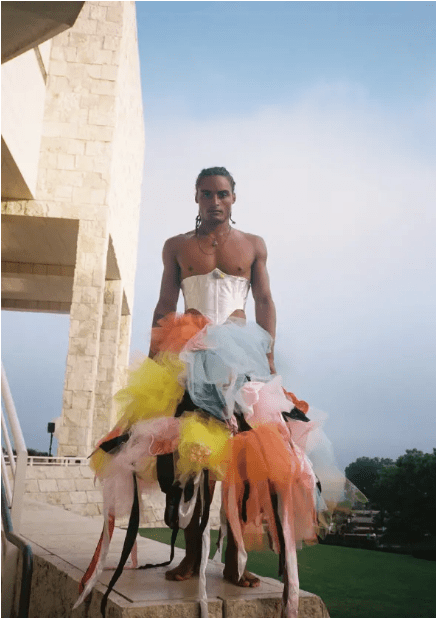
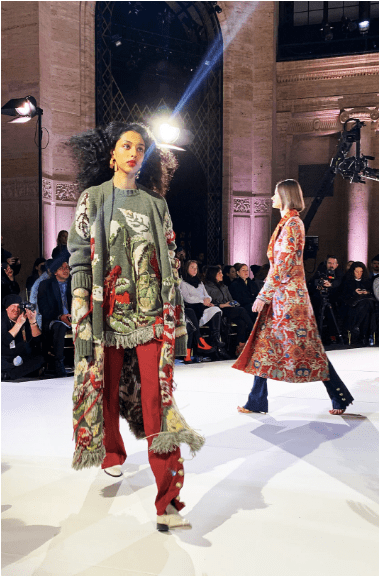
One of the popular brands that made itself known on the runway this season was No Nesso, a Los Angeles based brand founded by Pierre Davis. The brand challenges conventional ideals of gender, and mainly focuses on the absence of it in their clothing, as the Italian name “no nesso” means “no sex/no gender”.
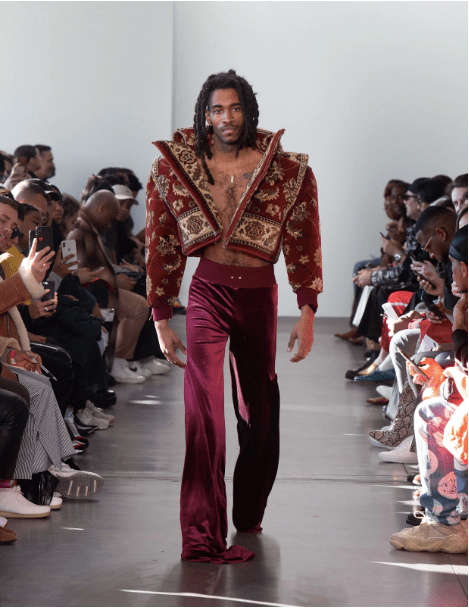
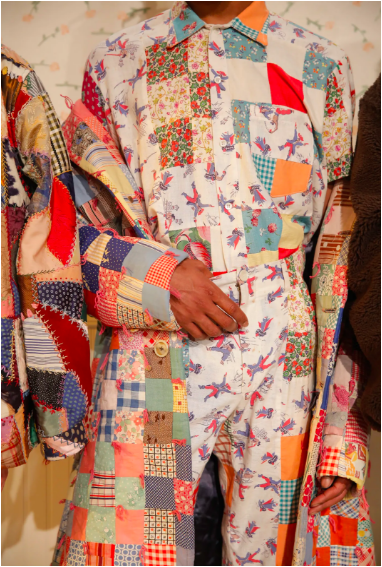
Another popular brand that appeared on the runway was Bode, designed by Emily Adams Bode. Her work this season mainly focused on “all male presenting casts” and insisted on a menswear approach. However, her use of vintage fabrics transformed her looks into intricate, utilitarian workwear clothing for people of all genders, which caught the eyes of many in the audience.
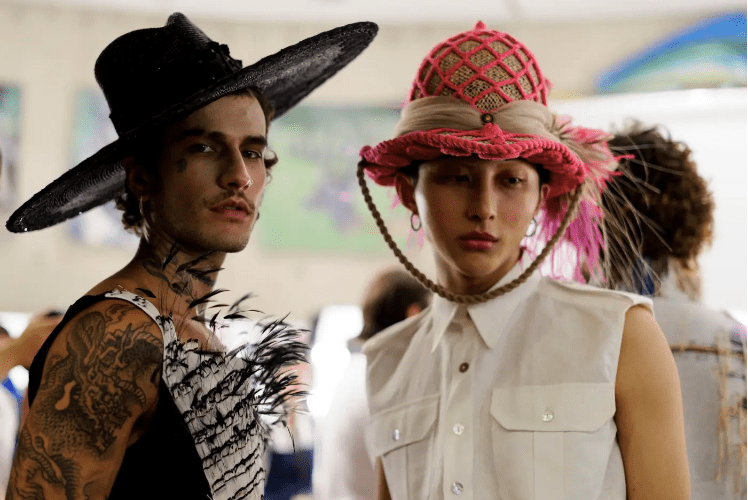
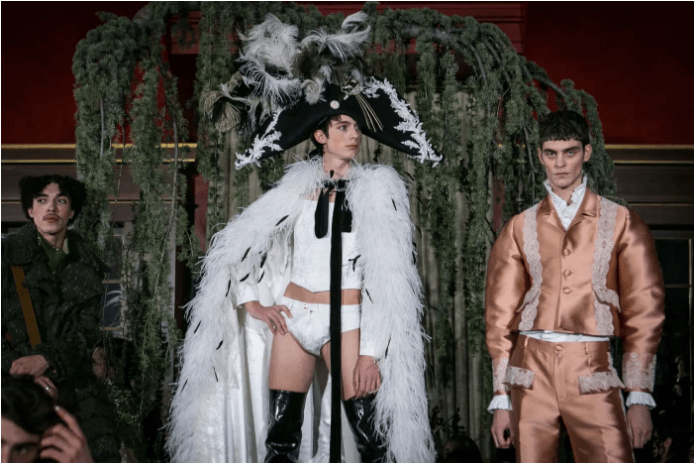
The brand Palomo Spain had the eyes of many, as its distinctive vision was an attractive element to NYFW. Founded by Spanish designer Alejandro Gómez Palomo, the brand composes a “costume-y glam” type look, and displays its pieces with young male models in heavy makeup. His main goal was to have a brand that allows queer to find clothing that fit thier glam tasted, as many are historically driven to the “women’s section”.
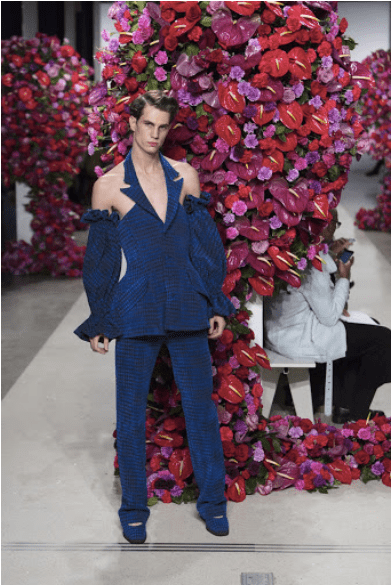
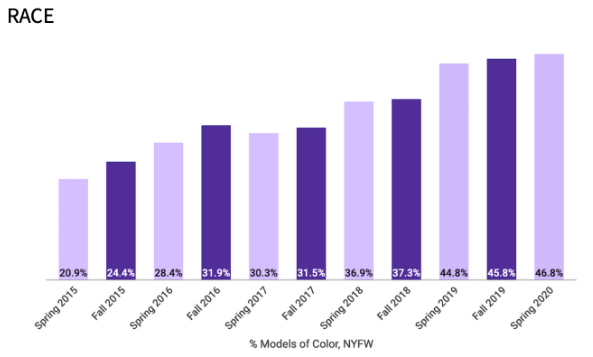
New York Fashion Week’s shows have been progressively more racially inclusive in recent years. In 2014, the diversity of the models on the runway were only 20.9% of models were non-white. As of Spring 2020, the percentage of non-white models are 46.8%.
While the growing numbers of non-white models are extremely important in having an accurate representation of all people, many people within the fashion industry have spoken out about issues that still have yet to be resolved behind the scenes of the runway. Naomi Campbell, a supermodel from the late 1980s and 1990s, spoke at a Wall Street conference last year about how fashion companies need more diversity in their employees as well. Considering the number of racially and culturally insensitive pieces of clothing that continue to be made, including from big brands such as Gucci, it is shocking to know that none of the people working on the production of these blatantly offensive items thought that they were offensive. This shows that diversity should be on the runways as well as behind the desks, so that more people of color can offer their insights into the projects and designs.
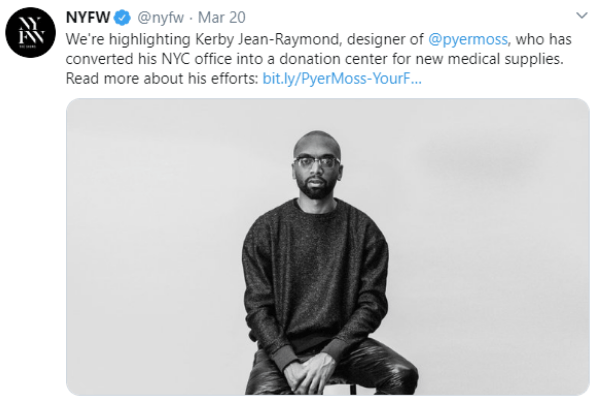
One brand that has used their New York Fashion Week platform to bring awareness to issues within the black community is Pyer Moss, a menswear label created by Haitian-American designer Kerby Jean-Raymond. For their Spring 2016 collection, Jean-Raymond created a short film about police brutality to show at the beginning of his show, featuring footage from police brutality cases and interviews of the people close to the victims. Jean-Raymond admitted that he almost did not even want to present his clothes, saying that the most important thing he wanted people to see from his show was the film, but he ultimately did show his clothes.
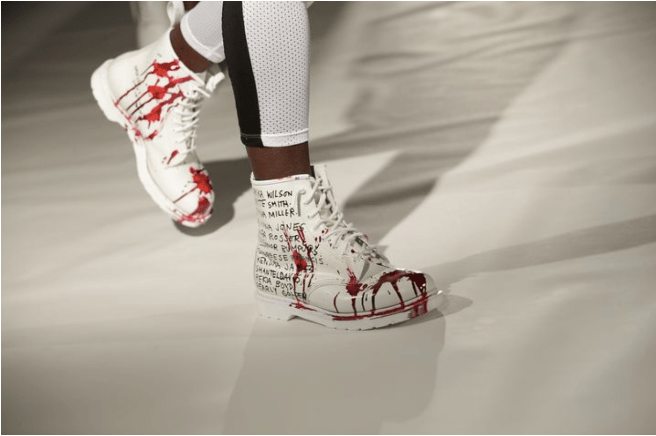
One look featured white boots with the names of black women that were killed by police written on them and dripped with red paint.
The theme of restraint was also prevalent in the collection, with many of the models wearing headbands around their neck or buckles.
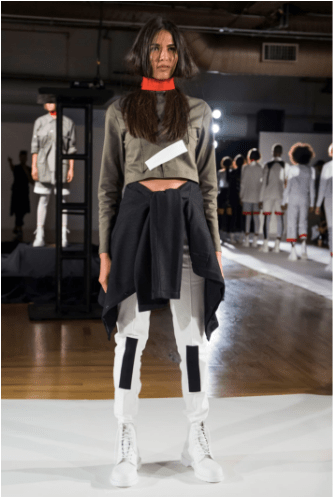
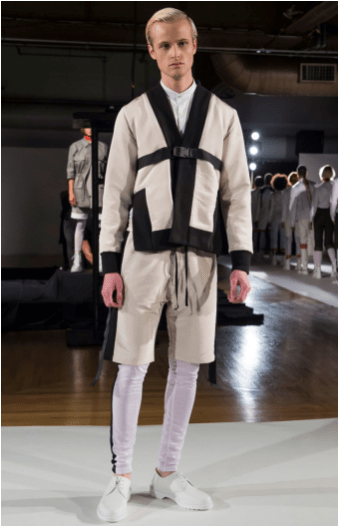
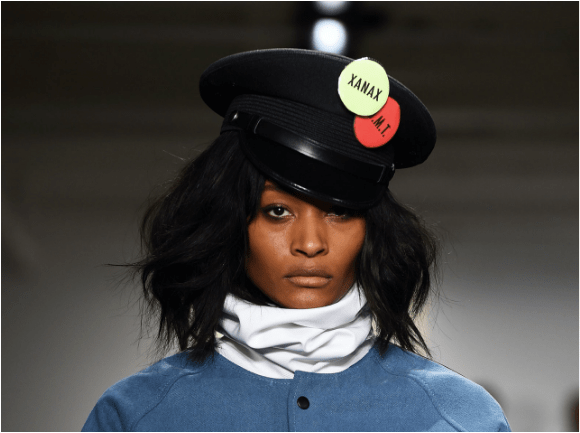
The following year, Jean-Raymond centered his collection about mental health and depression. He created the collection after he experienced depression following his previous collection, where he felt like he was accidentally type casting himself by speaking out about these issues. The collection brought attention to drug abuse and seeking help for mental health. It ended with a model holding a picket sign that read, “MY DEMONS WON TODAY IM SORRY,” as a tribute to the 23-year-old Black Lives Matter activist MarShawn McCarrel II, who committed suicide by shooting himself on the steps of the Ohio State House. The sign is a reference to McCarrel’s last Facebook post before he died, which said, “My demons won today. I’m sorry.” This also brings awareness to the mental health of activists and the toll that it takes on them to fight for what they believe in.
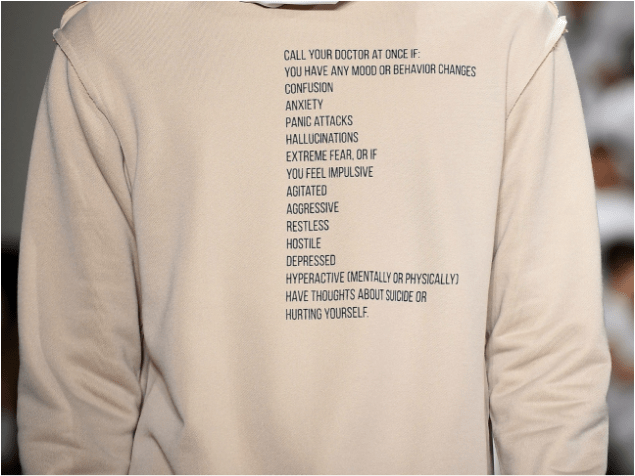
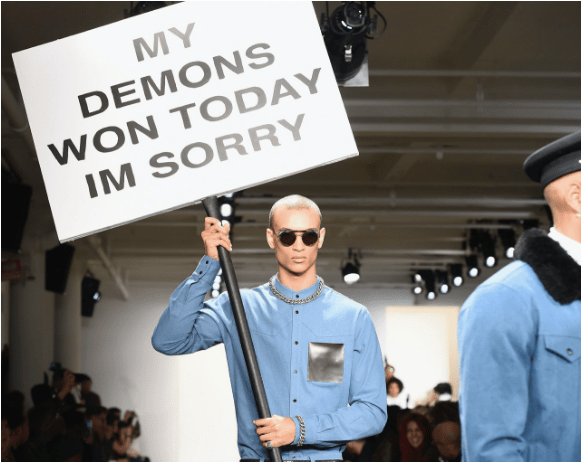
Kerby Jean-Raymond recognizes his influence in the fashion world and uses that to start conversations about issues that are important to him. In doing so, he forces people to face the realities that continue to persist today.
New York Fashion Week as a whole is a globally recognized and highly anticipated event that occurs twice a year (in February and in September). Its fame allows it to get by without an exceedingly detailed website. The website solely consists of the designers that are taking part in the show, a few behind the scenes pages dedicated to different designers, videos of talks about the shows, and information about the venue. The website also has a hyperlink to another site that gives a bit of a background on the experience of New York Fashion Week and hosts a small gallery of photos. Despite the simplistic official page, New York Fashion Week is still an extremely organized event. A separate website, Fashion Week Online, shows a very structured calendar with all the different mini events carefully placed in its own designated spot.
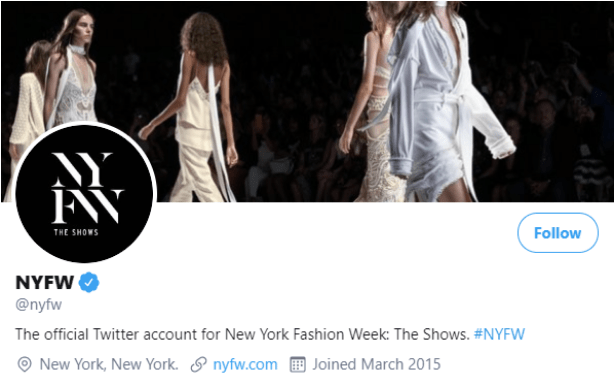
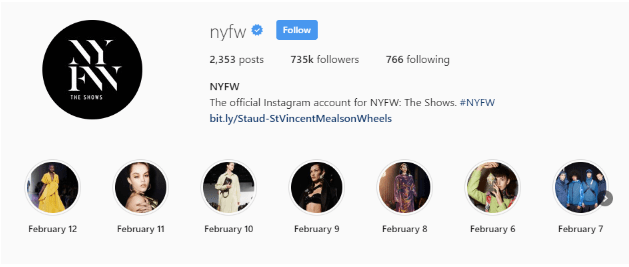
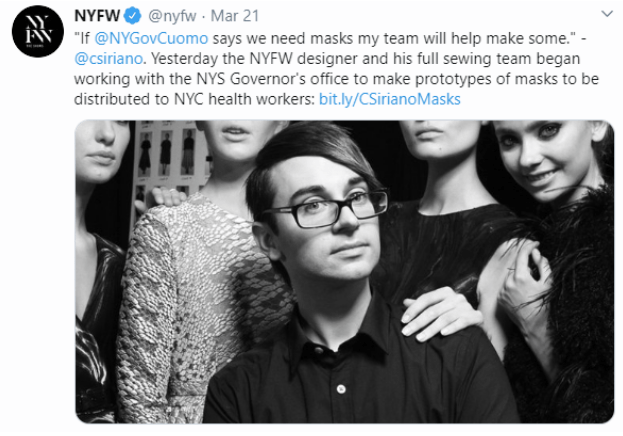
New York Fashion Week has its own social media accounts as well and its social media presence is very strong. Its username on Instagram and Twitter is @nyfw. The Instagram account is updated daily with fashion forward photos and is complete with jaw-dropping looks and aesthetic concepts. It also has Instagram story highlights saved for each day of the most recent New York Fashion Week that happened back in February. The Twitter account is much more active, staying up to date on world events and commenting on important issues like the recent Coronavirus pandemic. As a remarkably well known entity, they are using their larger than normal platform and their wide reaching influence to shed light on efforts to provide aid.

 Fashion